Ask Us About Our 24-Month Financing
Electrical Solutions Certificate Curriculum
Electrical Safety & Ohm’s Law
Residential Service Entrances
Electrical Safety & Ohm’s Law
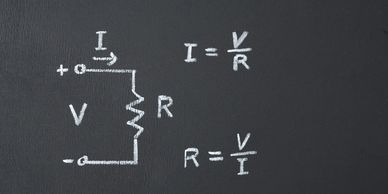
Students begin their journey with electrical safety training, learning how to work safely around electricity and understanding the behavior of electrical systems in a home. This section emphasizes recognizing common electrical hazards, correctly using personal protective equipment, and adhering to safe work practices required on residential job sites. Additionally, students are introduced to Ohm’s Law in a simple, practical manner to explain how voltage, current, and resistance interact in everyday circuits. The focus is not on advanced math, but rather on grasping why circuits behave the way they do, enabling students to work safely, avoid mistakes, and build confidence before progressing to hands-on wiring and installation, all while adhering to the National Electrical Code.
Residential Branch Circuits
Residential Service Entrances
Electrical Safety & Ohm’s Law
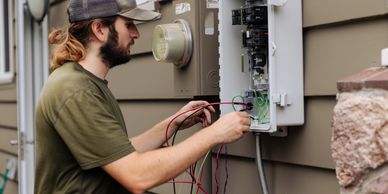
Students learn how electricity is safely distributed throughout a home in their electrical safety training by studying residential branch circuits and their required protections. This section covers the purpose of different circuit types, including lighting, receptacle, and appliance circuits, and explains how 120-volt and 240-volt systems are used in everyday residential wiring, in accordance with the National Electrical Code. As part of their residential electrician training, students are introduced to conductor sizing, breaker selection, and basic load concepts, as well as the use of GFCI and AFCI protection in required locations. By understanding how branch circuits function and are protected, students gain the knowledge needed to wire and troubleshoot residential systems safely and correctly.
Residential Service Entrances
Residential Service Entrances
Residential Electrical Tools, Materials & Components

In our electrical safety training, students learn how electrical power is delivered safely from the utility to a residential home and distributed throughout the electrical system. This section clarifies the difference between utility-owned equipment and customer-owned equipment, including overhead and underground service entrances. Students are introduced to meter bases, service disconnects, main panels, grounding, and bonding, along with the purpose of electrical boxes and enclosures. By understanding how power enters and is controlled within a home, students gain the knowledge needed to recognize safe, compliant residential service installations as outlined in the National Electrical Code, essential for their residential electrician training.
Residential Electrical Tools, Materials & Components
Residential Electrical Tools, Materials & Components
Residential Electrical Tools, Materials & Components
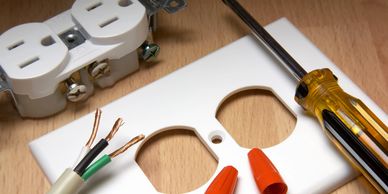
Students engage in electrical safety training to identify and properly use the tools and materials commonly found on residential electrical job sites. This section introduces wiring methods, electrical boxes, devices, panels, breakers, and fittings used in home construction and renovations, all in accordance with the National Electrical Code. Students also become familiar with hand tools, power tools, and basic test equipment, emphasizing safe handling and proper application. By understanding what materials to use and how to use them correctly, students build the confidence needed to work efficiently and safely on residential electrician training projects.
Learning the NEC Quick Guide & Integration
Residential Electrical Tools, Materials & Components
Learning the NEC Quick Guide & Integration

Students are introduced to the National Electrical Code (NEC) in a practical, easy-to-use format that enhances their understanding of how electrical rules apply in residential electrician training. Instead of memorizing code language, students learn how the NEC is organized, how to locate relevant articles, and how to utilize code references to make safe decisions on the job. This section aids students in gaining confidence while navigating the NEC, enabling them to identify requirements, avoid common violations, and comprehend what inspectors look for in residential installations, all of which are crucial aspects of electrical safety training.
Professional Ethics and Worksite Conduct
Residential Electrical Tools, Materials & Components
Learning the NEC Quick Guide & Integration

Students learn the professional standards expected on residential electrical job sites, including workplace behavior, communication, and personal responsibility. This section emphasizes electrical safety training, punctuality, job-site safety awareness, respect for homeowners and coworkers, and following instructions from supervisors. Students are introduced to basic professionalism concepts such as job-site cleanliness, tool care, and ethical decision-making in line with the National Electrical Code. By understanding how to conduct themselves professionally, students are better prepared to succeed in residential electrician training and within apprenticeship environments.